'Brazil-China Meeting: Pathways to 2027' Discusses Opportunities for Financial, Technological, and Cultural Cooperation
- 13 november 2026
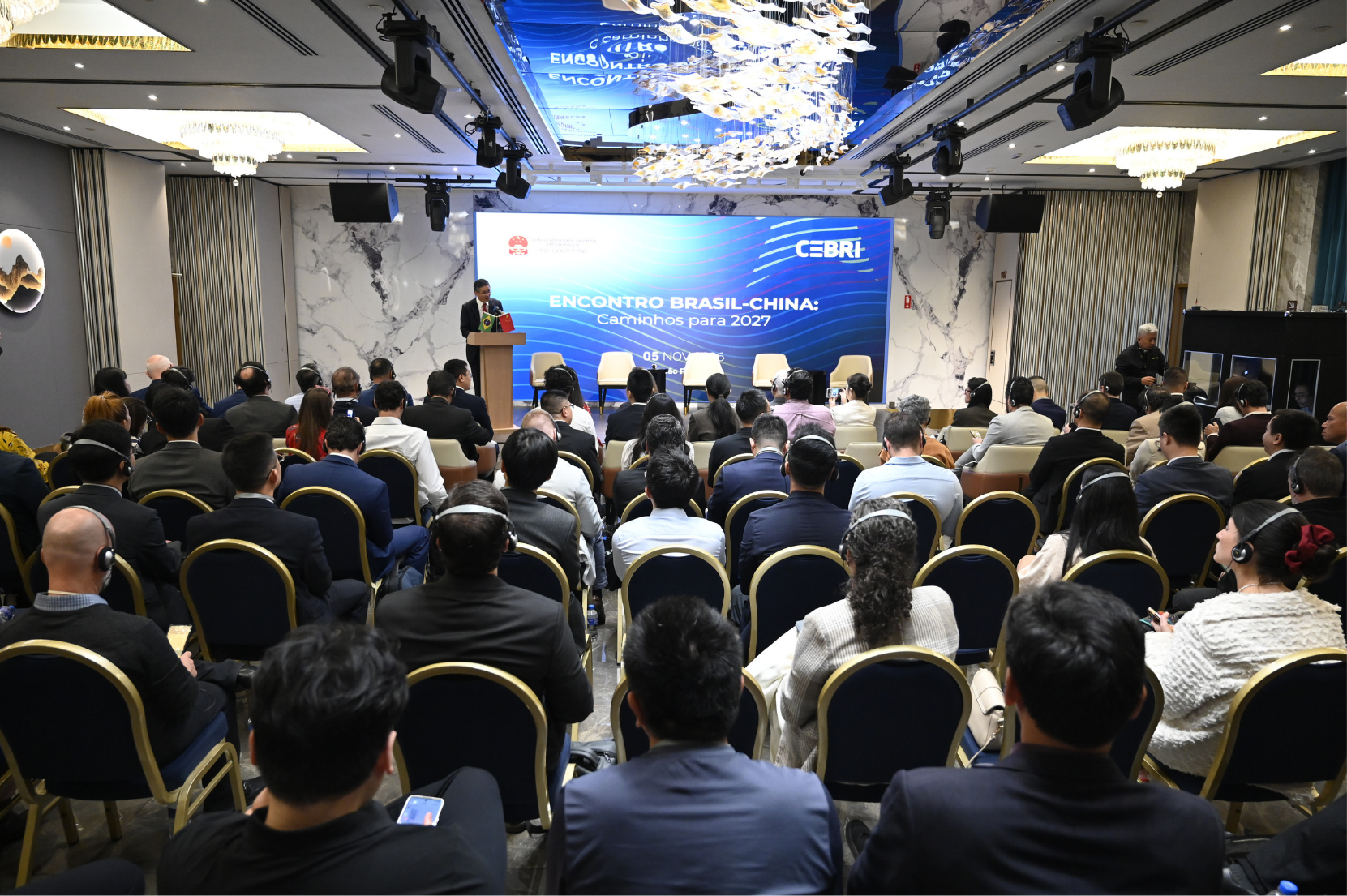
On November 5, the Consulate General of the People's Republic of China in São Paulo, in partnership with the Brazilian Center for International Relations (CEBRI), hosted the Brazil-China Meeting: Pathways to 2027 in São Paulo. The initiative brought together representatives of Brazilian and Chinese institutions, experts, and leaders from the public and private sectors to assess recent developments in bilateral relations and discuss opportunities to deepen cooperation.
Under the theme “Brazil-China: Taking Stock of 2026 and Exploring Opportunities for 2027,” the program was structured around three panels focusing on financial cooperation, technology and innovation, and cultural exchange. The discussions aimed to identify instruments and initiatives capable of diversifying the bilateral agenda, expanding investment opportunities, and strengthening economic and institutional ties between Brazil and China.
The opening session featured Yu Peng, Consul General of China in São Paulo, and Ambassador Marcos Caramuru, CEBRI Advisory and International Counselor.
The first panel, “Supporting Bilateral Investment Through New Financial Instruments,” discussed mechanisms to promote financial cooperation and further develop investment relations between the two countries, moving beyond traditional trade financing and one-off transactions. Participants included Zhixin Liang, Senior Corporate Relationship Manager – China Desk at Itaú BBA; Karini Madeira, Superintendent of Technical Monitoring at the National Confederation of Insurers (CNseg); Liu Hongbo, President of the Industrial and Commercial Bank of China (ICBC) in Brazil; and Jin Hui, Head of the Americas at Sinosure. The panel was moderated by Ambassador Marcos Caramuru.
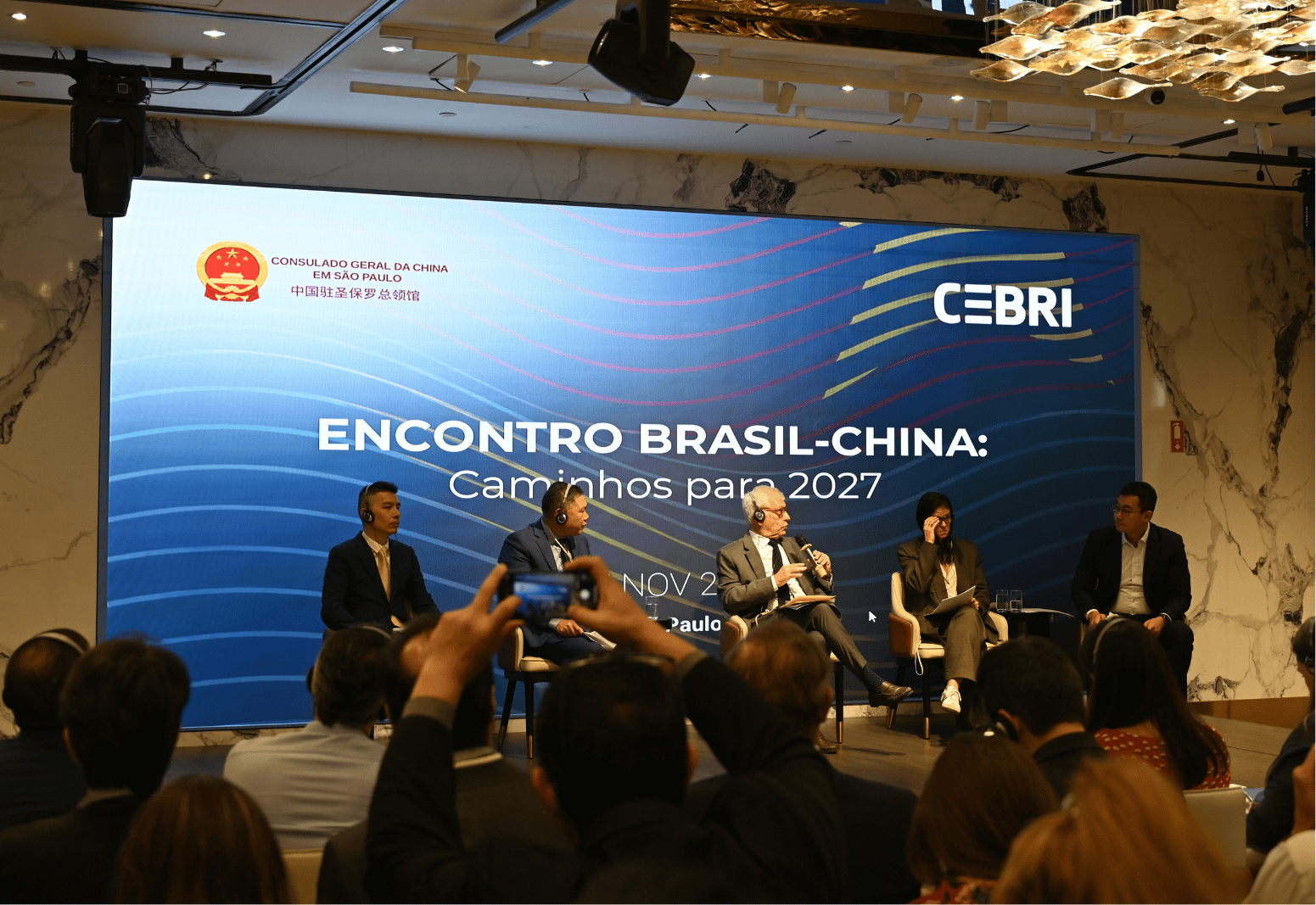
The following panel, “Technology and Innovation: Advancing Brazil-China Relations,” explored opportunities to expand technological collaboration and attract Chinese investment into new sectors of the Brazilian economy. The discussion featured William Mimassi Pedroso, Partner at Monashees; Renato Ramalho, CEO of KPTL Venture Capital; and Hong Lei, General Manager of United Imaging Healthcare Brazil. Moderated by CEBRI Senior Fellow Larissa Wachholz, the panel addressed partnerships between companies, universities, and research centers, opportunities for technological development and production in Brazil, and the conditions required to turn investment opportunities into concrete projects.
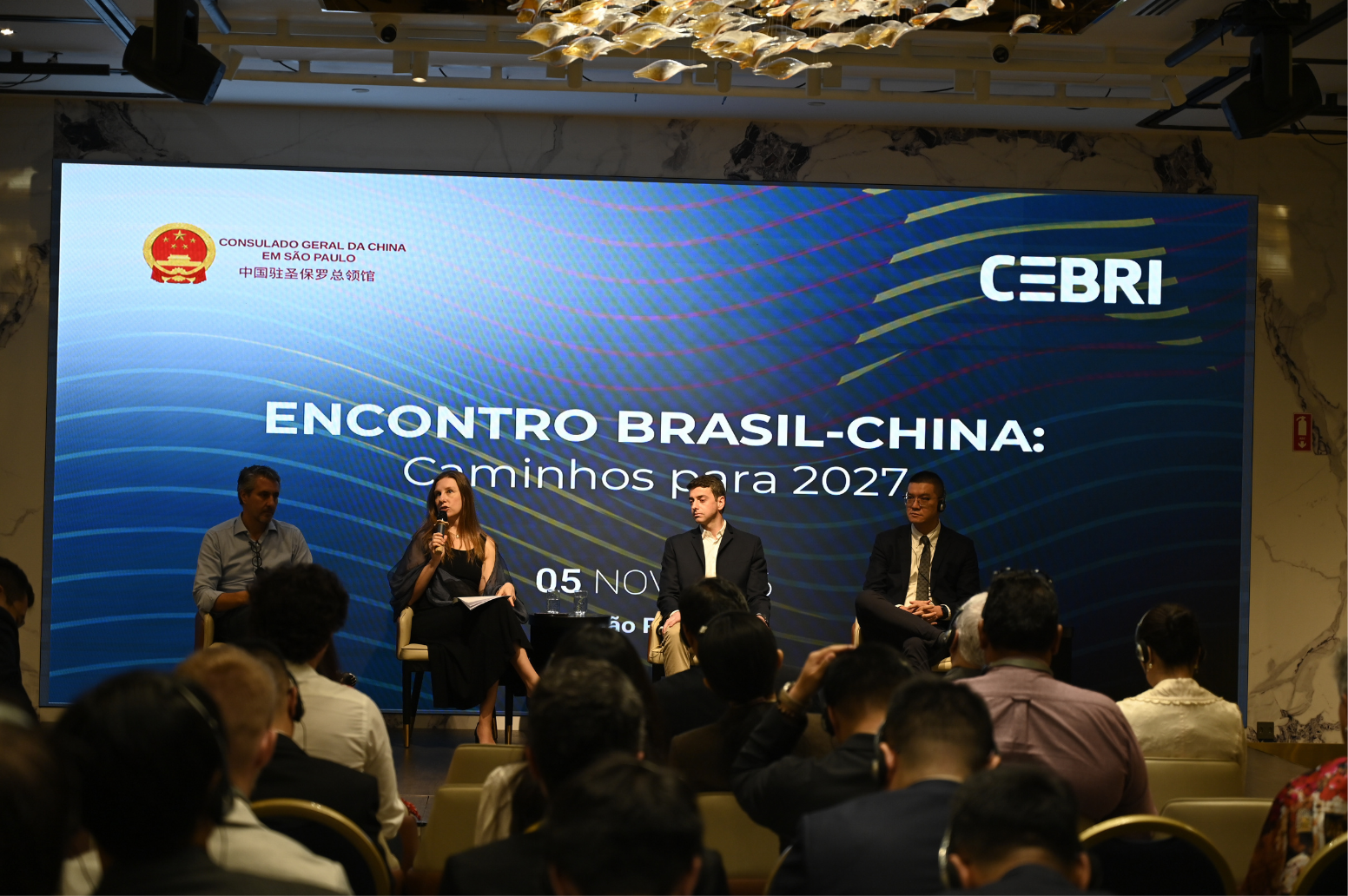
The third panel, “Brazil-China Cultural Year: Bringing People Together, Creating Opportunities,” explored the potential of cultural cooperation as a means of bringing the two countries closer and generating economic opportunities. The discussion addressed opportunities in tourism, the creative industries, and the cultural economy, examining how cultural exchange can contribute to expanding business flows between Brazil and China. Participants included João Amorim, Co-founder of Amorim Filmes; Yin Xiaotong, Deputy Director of CMG Latin America; and Professor Luís Antonio Paulino, Director of the Confucius Institute at São Paulo State University (Unesp). The panel was moderated by Patricia Nakahara, co-author of Decode China and Partner at b/luz Advogados.
At the closing of the event, Larissa Wachholz presented the priorities for 2027. The program was followed by a networking lunch, providing an additional opportunity for participants to exchange experiences and strengthen dialogue.
By bringing together different perspectives and sectors, the Brazil-China Meeting: Pathways to 2027 fostered discussion on new possibilities for bilateral relations, highlighting the importance of diversifying partnerships and developing long-term initiatives in strategic areas for the development of both countries.
