CEBRI as the LAC Regional Lead Advancing International Cooperation as part of the Rockefeller Foundation’s Build the Shared Future Initiative
- Institutional
- 08 december 2025
The international system is at a turning point, marked by multiple crises, growing fragmentation, and a loss of legitimacy of multilateral institutions. Rising inequalities, environmental degradation, conflicts, food insecurity, and declining trust in democratic institutions highlight the limitations of the 20th-century global governance model.
In response to this scenario, the Rockefeller Foundation launched the initiative Build the Shared Future. The project aims to rethink global governance mechanisms and proposes new models of international cooperation that combine innovation, technology, and local leadership to address contemporary challenges.
A global public opinion survey marked the initiative's launch, offering a snapshot of how the international community views worldwide cooperation and the institutions responsible for tackling today's challenges. Between August 8 and September 10, 2025, 36,405 adults across 34 countries were interviewed, revealing key insights:
- 54% say their lives are affected by events in other countries.
- 61% of Americans believe the U.S. should collaborate on global issues, even if it means compromising some national interests.
- 75% of respondents would support international cooperation if it proved effective in solving global problems.
- Latin America (50%) and MENAT (49%) show the lowest levels of support, indicating greater skepticism about the benefits of international cooperation.
The survey reveals that while support for global cooperation is widespread, it remains fragile. To sustain it, it is essential to demonstrate that international commitments deliver tangible benefits—such as jobs, stability, health, and security. Without visible results, support may quickly erode.
Access the full report: Demanding Results: Global Views on International Cooperation.
CEBRI’s Role in Leading Regional Dialogues on the Future of International Cooperation
The Brazilian Center for International Relations (CEBRI) leads a process of dialogue and collective engagement to amplify the Latin America and the Caribbean region’s voice in global decision-making spaces, which it is doing with support from The Rockefeller Foundation, in partnership with its affiliated public charity RF Catalytic Capital Inc.
Through regional convenings, CEBRI has brought together representatives from civil society, youth, the private sector, academia, and governments in forums for dialogue and reflection on the future of international cooperation.
The insights and contributions gathered during these convenings will inform the drafting of a Latin American and Caribbean Declaration, which will outline ten guiding principles for a new model of international cooperation, one that is more legitimate, inclusive, and effective, and better suited to the realities of the 21st century.
Regional Convenings "Building a Shared Future: Latin American and Caribbean Perspectives on International Cooperation in the 21st Century"
Rio de Janeiro
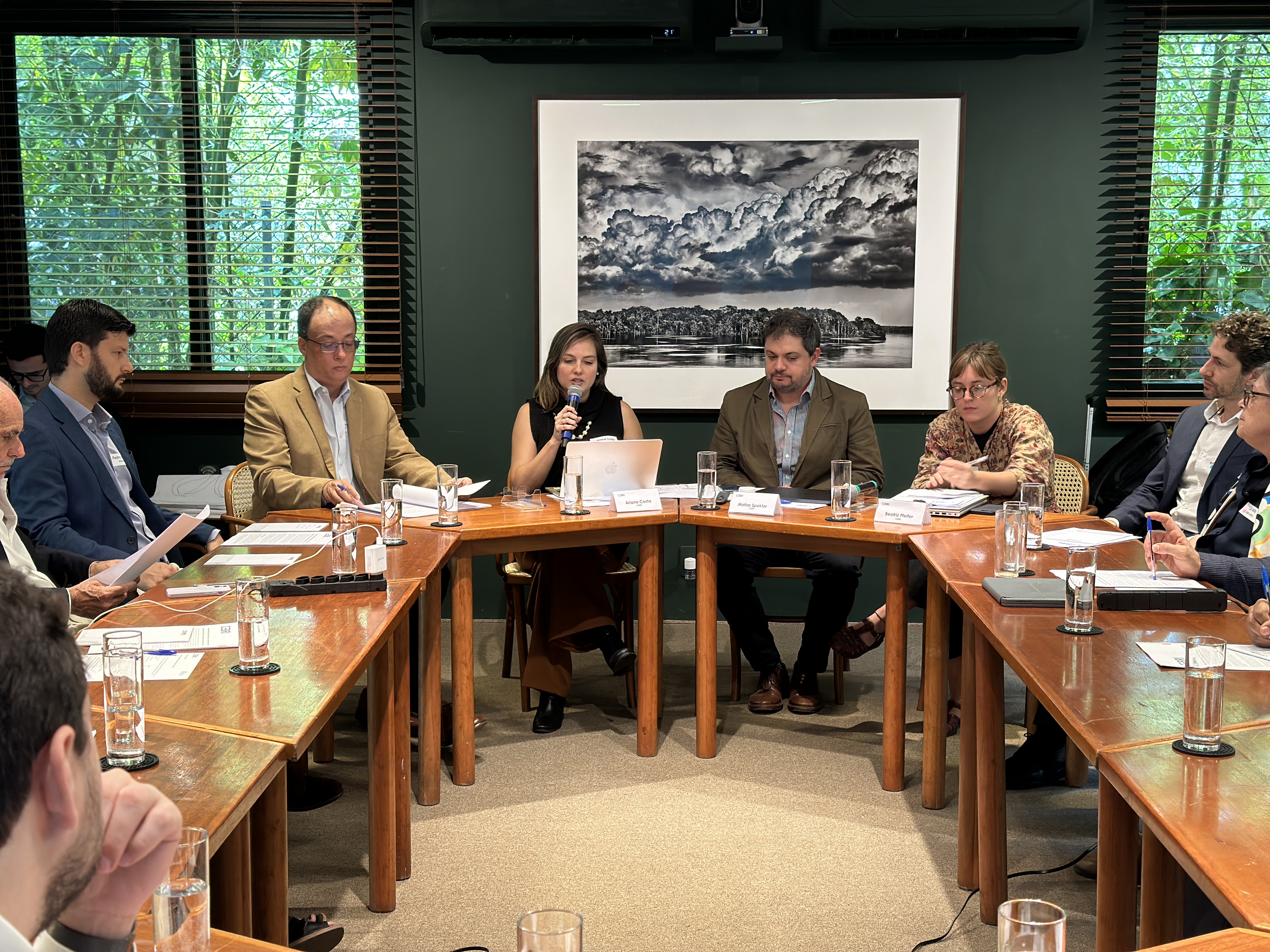
On October 24, CEBRI hosted the project's first convening, held in a workshop format that brought together representatives from various sectors of Brazilian society. The initiative aimed to generate inputs for the project's Final Declaration. The event gathered participants from diverse fields,including civil society, youth, the private sector, and academia, to collaboratively identify and map the causes, core issues, and impacts of regional challenges related to the following key areas of international cooperation:
- Promoting cooperation that works for people;
- Justice, inequality, and shared prosperity;
- Trust, institutions, and economic security.
Led by Matias Spektor, Senior Fellow at CEBRI, the discussion emphasized the importance of placing citizens at the center of international policymaking, strengthening transparency and local participation, and treating communication as a strategic pillar for closer, more legitimate, and transformative cooperation.
São Paulo
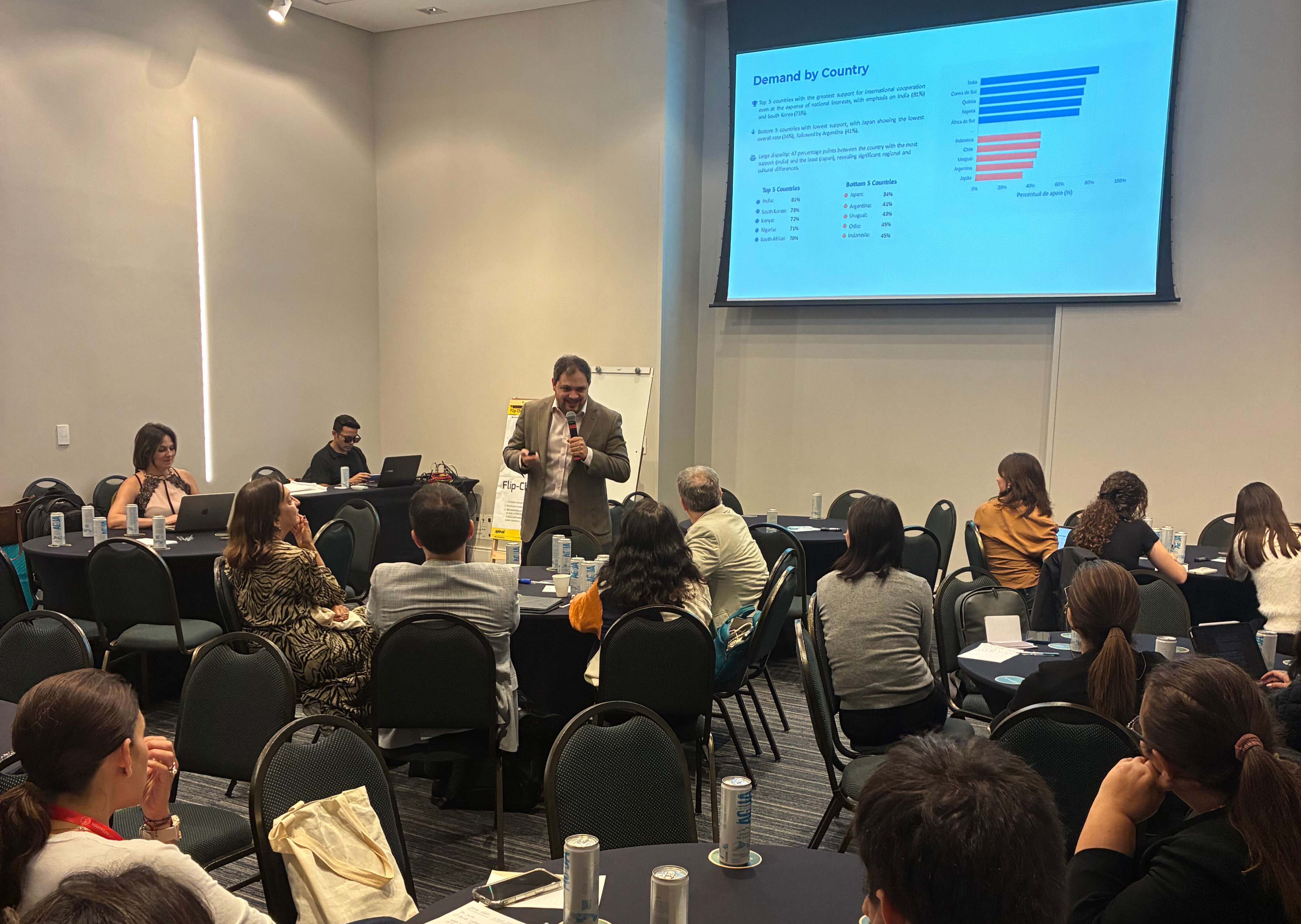
The second convening was held on October 29 during the Southern Voice Conference, a biennial international event that brings together more than 50 think tanks from the Global South (Africa, Asia, Latin America, and the Caribbean). The meeting fostered a diverse dialogue on ways to make international cooperation more effective and outcome-oriented, generating tangible impacts on people’s lives.
Bogotá
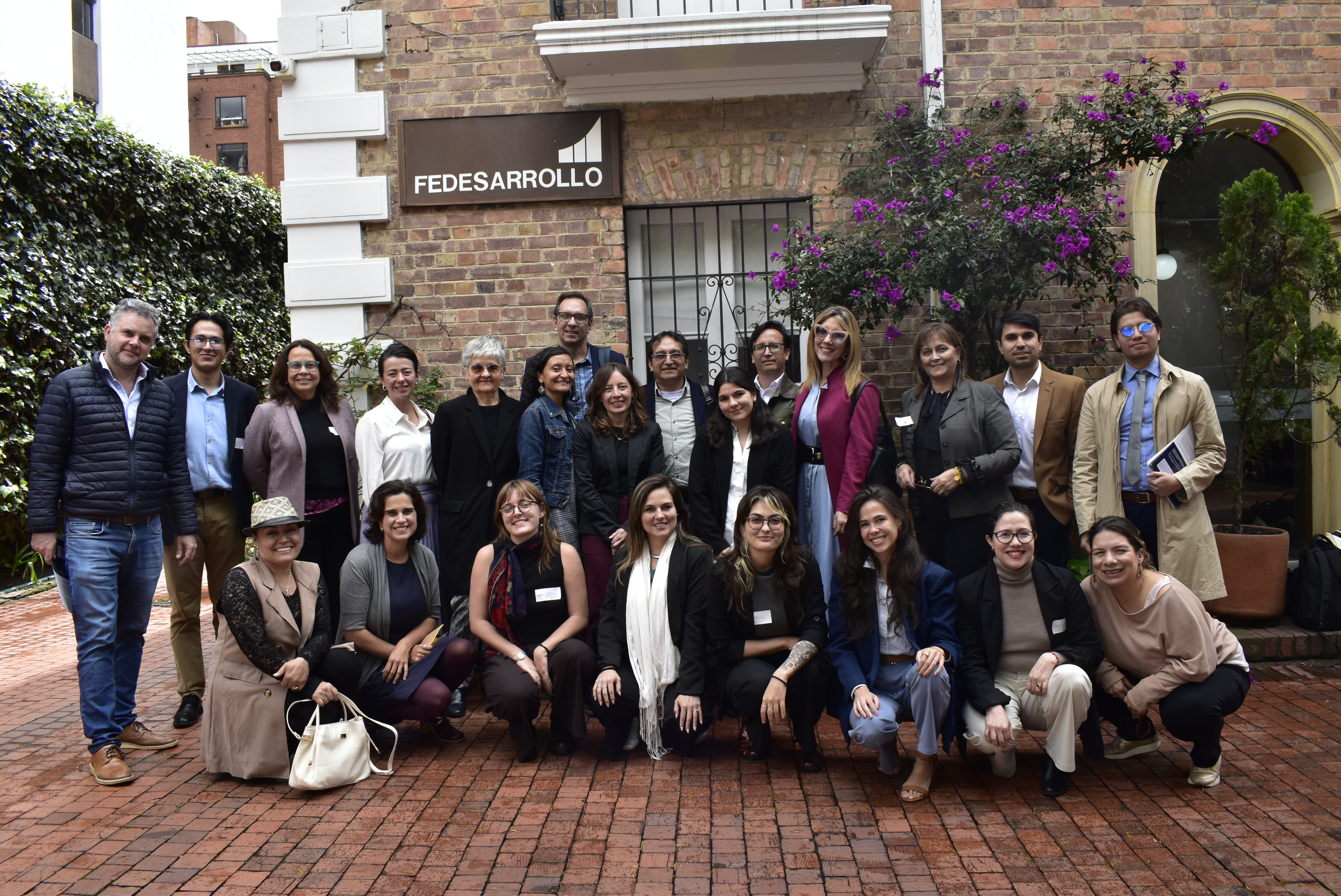
The third convening took place on November 13, in partnership with Fedesarrollo - Centro de Investigación Económica y Social, a Colombian research institution founded in 1970 that conducts research on economic and social policies aimed at the country’s development. The meeting underscored the regional significance of the project and highlighted the role of the CEPAS Network in promoting joint reflections on the future of international cooperation and Latin America’s leadership in this process.
CEPAS Network: The Network of Think Tanks of the Americas (CEPAS) was established in 2024 with the purpose of creating a permanent space for dialogue, cooperation, and regional coordination among think tanks across the Americas.
Belém
During COP30 in Belém, discussions and interviews highlighted the need to modernize the concept of international cooperation. Participants emphasized the importance of greater regional clarity and coherence so that Latin America can play a more coordinated role in global decision-making arenas. New cooperation models, such as the BRICS, were mentioned as relevant alternatives, particularly when supported by community-based initiatives and long-term investments.
